Sleep Tracking Accuracy: How Reliable Are Your Wearable's Numbers?
An in-depth look at the accuracy of sleep tracking technology in wearables.
By Sleep Scientist
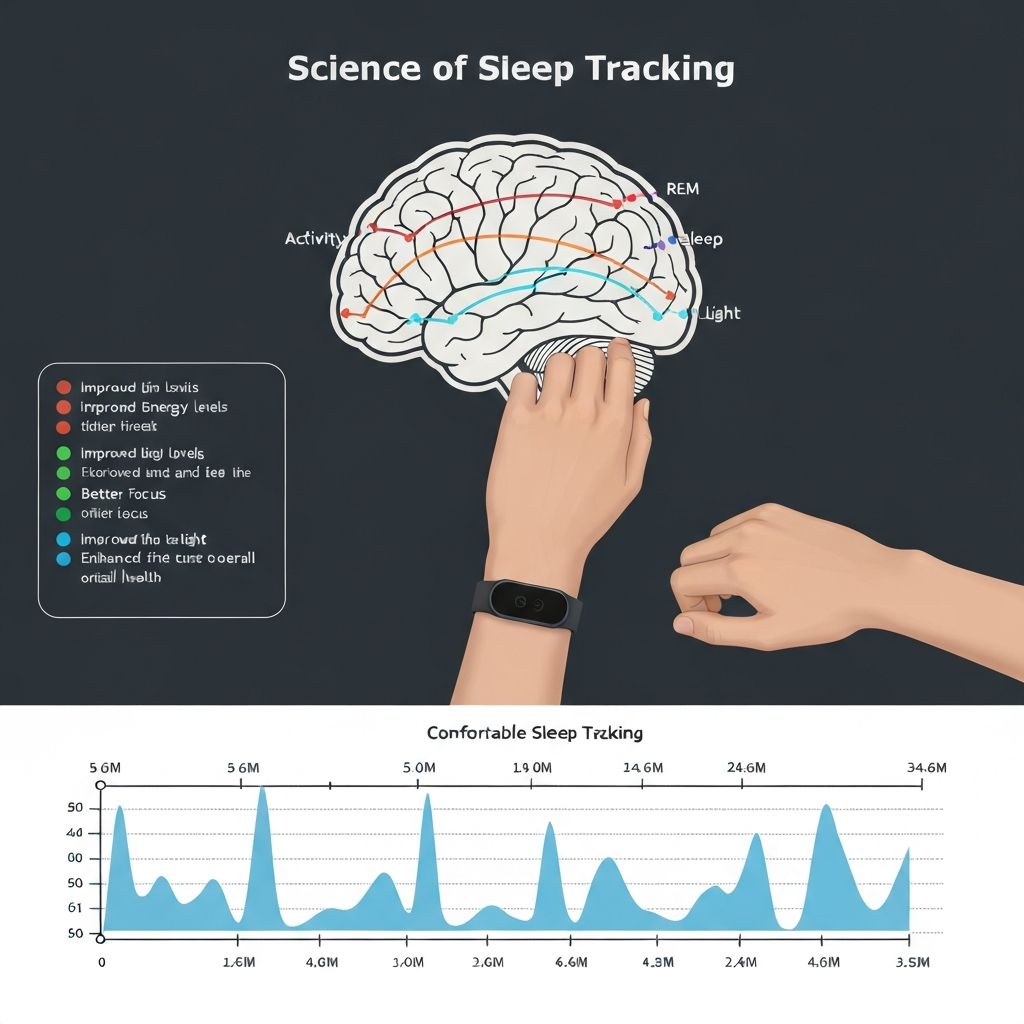
Wearables promise detailed insights into our sleep, but how accurate are they? Understanding the technology and its limitations is key.
How Wearables Track Sleep
Most wearables use a combination of sensors:
- Actigraphy: Detects movement using accelerometers. Less movement indicates sleep, more movement suggests wakefulness.
- Heart Rate Monitoring: Heart rate typically decreases during sleep. Variations can indicate different sleep stages.
- Heart Rate Variability (HRV): HRV also changes across sleep stages.
- Temperature Sensing: Body temperature naturally drops during sleep.
- Blood Oxygen (SpO2): Monitoring can help detect potential sleep apnea.
Sleep Stages Measured
Wearables typically estimate four stages:
- Awake: Periods of wakefulness.
- Light Sleep: The initial stage, making up about 50% of sleep.
- Deep Sleep: Crucial for physical restoration, about 15-20%.
- REM Sleep: Important for cognitive function and memory, about 20-25%.
Accuracy vs. Polysomnography (PSG)
The gold standard for sleep study is Polysomnography (PSG), conducted in a lab. It measures brain waves (EEG), eye movements (EOG), muscle activity (EMG), heart rate, breathing, and oxygen levels.
Wearables use indirect measures and algorithms to *estimate* sleep stages. While they can correlate well with PSG, they are not a medical diagnosis tool.
Factors Affecting Accuracy
- Device Quality: Higher-end devices with more advanced sensors tend to be more accurate.
- Fit and Placement: A snug fit ensures good sensor contact.
- Algorithm Sophistication: The underlying software that interprets sensor data plays a huge role.
- Individual Variability: How your body responds to sleep and movement can influence readings.
- Movement During Sleep: Excessive tossing and turning can confuse actigraphy.
- Napping: Wearables are often less accurate at distinguishing naps from prolonged wakefulness.
What Wearables Do Well
- Detecting Sleep/Wake Times: Generally very good at identifying when you fall asleep and wake up.
- Tracking Sleep Duration: Usually accurate within a reasonable margin.
- Estimating Sleep Stages: Most devices provide a reasonable approximation, especially for light and deep sleep.
- Identifying Trends: Excellent for tracking patterns over time (e.g., consistency, impact of lifestyle changes).
- Detecting Potential Issues: Devices with SpO2 and HRV can flag potential sleep apnea or significant recovery issues.
What Wearables Struggle With
- Distinguishing REM vs. Light Sleep: This is often the hardest stage to accurately estimate without EEG.
- Measuring Sleep Latency Precisely: The exact moment you fall asleep can be fuzzy.
- Diagnosing Sleep Disorders: They are not substitutes for medical sleep studies for conditions like insomnia or sleep apnea.
Tips for Better Sleep Tracking
- Wear it consistently: Wear your device every night for the most reliable trends.
- Ensure a good fit: The band should be snug but comfortable.
- Keep it charged: Avoid missed data due to a dead battery.
- Use the companion app: Review your data regularly and look for patterns.
- Don't over-obsess: Use the data as a guide, not a definitive judgment.
Conclusion
Wearable sleep trackers are valuable tools for understanding your sleep habits and identifying trends. While not medically diagnostic, they offer a convenient and insightful glimpse into your sleep quality. Focus on consistency and trends rather than minute-to-minute accuracy.